
In the realm of healthcare, understanding the importance of preventive health checkups is crucial. This guide dives into the significance of early detection, the types of screenings available, and the frequency at which one should undergo these checkups. Let's explore what you need to know to take charge of your well-being.
Importance of Preventive Health Checkups
Regular preventive health checkups play a crucial role in maintaining overall well-being and preventing serious health issues. By detecting potential health problems early, individuals can take proactive measures to address them before they escalate.
Early Detection of Diseases
Preventive health checkups can help in the early detection of various diseases such as hypertension, diabetes, and cancer. For example, a routine blood pressure check can identify high blood pressure, which, if left untreated, can lead to heart disease and stroke.
Maintaining Good Health
Through regular health checkups, individuals can track their health parameters like cholesterol levels, blood sugar levels, and BMI. This information allows them to make informed decisions about their lifestyle choices, such as diet and exercise, to maintain good health.
Prevention of Serious Health Issues
Preventive health checkups also enable healthcare providers to assess an individual's risk factors for certain diseases and provide personalized recommendations for prevention. By identifying and addressing these risk factors early on, individuals can reduce their chances of developing serious health issues in the future.
Types of Preventive Health Checkups
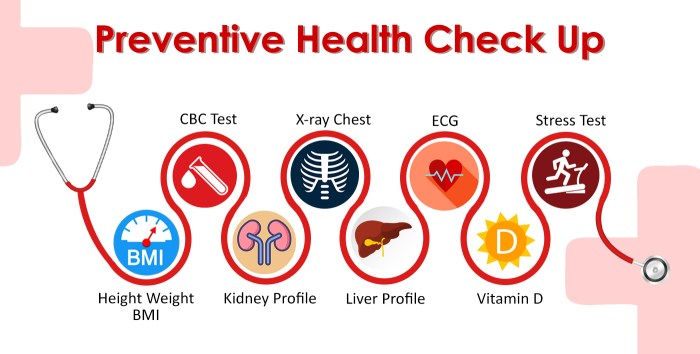
Regular preventive health checkups are essential for maintaining overall well-being and detecting any potential health issues early on. There are different types of preventive health checkups available, each serving a specific purpose in monitoring and managing one's health.
General Preventive Health Checkups
General preventive health checkups typically include basic screenings and assessments to evaluate an individual's overall health status. These may involve measurements such as blood pressure, cholesterol levels, and body mass index (BMI). General checkups also often include blood tests to check for common conditions like diabetes and thyroid disorders.
The main aim of general preventive health checkups is to identify any underlying health concerns and provide recommendations for lifestyle modifications or further diagnostic testing if needed.
Specialized Screenings
Specialized screenings focus on specific aspects of health and may be recommended based on an individual's age, gender, family history, or risk factors. Examples of specialized screenings include mammograms for breast cancer, colonoscopies for colorectal cancer, and bone density scans for osteoporosis.
These screenings are targeted towards detecting particular conditions early on when treatment is most effective. Specialized screenings are often recommended at certain intervals or based on individual risk factors.
Benefits of General Preventive Health Checkups vs. Specialized Screenings
General preventive health checkups serve as a comprehensive evaluation of overall health and can help in identifying common health issues at an early stage. On the other hand, specialized screenings focus on specific conditions and provide targeted assessments for those particular health concerns.
While general checkups are essential for maintaining overall health and wellness, specialized screenings play a crucial role in detecting specific diseases or conditions that may require specialized care or treatment. Both types of preventive health checkups complement each other in ensuring comprehensive healthcare management for individuals.
Frequency and Timing of Preventive Health Checkups

Regular preventive health checkups are essential in maintaining overall well-being and detecting any potential health issues early on. The frequency and timing of these checkups can vary depending on factors such as age, risk factors, and health history.
Determining Frequency of Health Checkups
- Age plays a crucial role in determining how often individuals should undergo preventive health checkups. Younger individuals may require less frequent screenings compared to older adults.
- Individuals with certain risk factors, such as a family history of specific diseases or chronic conditions, may need more frequent health checkups to monitor their health status.
- Health history, including previous medical conditions or surgeries, can also influence the frequency of preventive health screenings. Individuals with a history of certain illnesses may need more regular checkups to ensure early detection and management.
Guidelines for Starting Regular Preventive Health Screenings
- It is recommended to start regular preventive health screenings at a younger age for baseline measurements and early detection of any potential health issues.
- For adults in their 20s and 30s, regular checkups every 1-2 years may be sufficient, unless specific risk factors or health conditions warrant more frequent screenings.
- As individuals age, especially beyond 40 or 50, more frequent annual checkups may be necessary to monitor changes in health and address any age-related issues promptly.
- Consulting with a healthcare provider is essential to determine the appropriate timing and frequency of preventive health checkups based on individual health needs and risk factors.
Preparation for Preventive Health Checkups
When preparing for a preventive health checkup, there are several important steps individuals should take to ensure accurate results and make the most of their appointment. From fasting before certain screenings to ensuring accurate results, proper preparation plays a key role in the effectiveness of preventive health checkups.
Importance of Fasting
Fasting before certain health screenings, such as cholesterol or blood sugar tests, is crucial to obtain accurate results. Fasting typically involves avoiding food and drinks (except water) for a specific period, usually 8-12 hours before the test. This helps provide a clear snapshot of your body's baseline levels, without the influence of recent meals.
Tips for Ensuring Accurate Results
- Follow fasting instructions provided by your healthcare provider strictly. This includes the duration of fasting and what you can or cannot consume.
- Avoid heavy or fatty meals the night before your health checkup, as they can affect test results.
- Stay hydrated by drinking water before fasting, as dehydration can impact blood test results.
- Inform your healthcare provider about any medications you are currently taking, as some medications can interfere with test results.
- Get a good night's sleep before your appointment to ensure accurate readings and avoid unnecessary stress on your body.
Benefits of Preventive Health Checkups
Regular preventive health checkups offer numerous benefits that can significantly impact an individual's overall well-being and quality of life. Early detection of health issues through these screenings can lead to timely intervention and treatment, ultimately improving health outcomes and reducing the risk of developing serious illnesses.
Early Detection of Health Issues
Regular preventive health checkups enable healthcare providers to identify potential health problems at an early stage, allowing for prompt intervention and treatment. This early detection can prevent the progression of diseases and improve the effectiveness of treatment, leading to better health outcomes in the long run.
Reduced Healthcare Costs
By detecting health issues early on, preventive health screenings can help in reducing healthcare costs over time. Treating health conditions in their early stages is often less expensive than managing advanced or chronic illnesses. Regular checkups can also help prevent the need for costly medical procedures or hospitalizations.
Empowerment to Take Control of Health
Engaging in preventive health checkups empowers individuals to take an active role in managing their health. By staying informed about their health status through regular screenings, individuals can make informed decisions about their lifestyle choices, such as diet, exercise, and stress management.
This proactive approach can lead to better health outcomes and an improved quality of life.
Conclusion
As we conclude this exploration of preventive health checkups, it's evident that these screenings are key to maintaining good health. By being proactive and informed, individuals can detect potential health issues early, leading to better outcomes and reduced healthcare costs in the long run.
Take the first step towards a healthier future by prioritizing your preventive health checkups today.
Questions and Answers
How often should I undergo preventive health checkups?
It is recommended to have an annual checkup, but frequency may vary based on age and risk factors. Consult with your healthcare provider for personalized advice.
What are the benefits of early detection through preventive health checkups?
Early detection allows for timely intervention and treatment, often leading to better health outcomes and reduced healthcare costs in the long term.
Do I need to fast before a preventive health screening?
Fasting may be required for certain screenings to ensure accurate results. Your healthcare provider will provide specific instructions if needed.


![How to Cancel CarShield [Explained]](https://health.radartasik.id/wp-content/uploads/2025/11/Carshield-Vs-Endurance-120x86.png)