
Delving into the realm of intermittent fasting and its numerous health benefits, this article aims to shed light on the science-backed advantages of this dietary practice.
Exploring the different types of intermittent fasting, its impact on weight loss, broader health benefits, safety considerations, and tips for beginners, this guide is your go-to resource for understanding and implementing intermittent fasting.
Health benefits of intermittent fasting
Intermittent fasting is an eating pattern that alternates between periods of fasting and eating. It does not focus on what foods to eat, but rather when to eat them. This approach has gained popularity for its potential health benefits beyond just weight loss.
Improved insulin sensitivity
Intermittent fasting has been shown to improve insulin sensitivity, allowing cells to better respond to glucose in the blood. This can lower the risk of type 2 diabetes and help manage blood sugar levels.
Weight loss and fat loss
By restricting the eating window, intermittent fasting can help reduce calorie intake and promote weight loss. Additionally, it may lead to a decrease in visceral fat, which is linked to various health issues like heart disease and metabolic syndrome.
Cellular repair and autophagy
During fasting periods, the body initiates cellular repair processes and autophagy, where cells remove dysfunctional components. This can protect against diseases like cancer and promote overall cell health.
Reduced inflammation
Intermittent fasting has been shown to reduce markers of inflammation in the body. Chronic inflammation is linked to various diseases, so this benefit can have a positive impact on overall health.
Improved heart health
Some studies suggest that intermittent fasting can improve heart health by reducing risk factors like cholesterol levels, blood pressure, triglycerides, and inflammatory markers. This can lower the risk of heart disease.
Enhanced brain function
Intermittent fasting may promote the production of brain-derived neurotrophic factor (BDNF), a protein that supports brain health and cognitive function. This can potentially reduce the risk of neurodegenerative diseases and improve mental clarity.
Longevity
Some animal studies have shown that intermittent fasting can extend lifespan. While more research is needed in humans, the potential for increased longevity is an intriguing aspect of this eating pattern.
Different types of intermittent fasting
Intermittent fasting comes in various forms, each with its own unique approach and potential health benefits. Let's explore some popular methods of intermittent fasting:
16/8 Intermittent Fasting
/8 intermittent fasting involves fasting for 16 hours and eating within an 8-hour window each day. This method typically includes skipping breakfast and having meals between, for example, 12 pm and 8 pm. The fasting period helps the body burn fat more effectively and can lead to weight loss.
5:2 Intermittent Fasting
With the 5:2 intermittent fasting method, individuals eat normally for five days of the week and restrict their calorie intake to 500-600 calories for the remaining two days. This approach can improve metabolic health and aid in weight management.
Alternate-Day Fasting
Alternate-day fasting involves alternating between days of regular eating and fasting. On fasting days, individuals may consume very few calories or none at all. This method has shown promise in reducing inflammation, improving heart health, and promoting weight loss.
Comparison of Intermittent Fasting Approaches
- 16/8 fasting is relatively easy to incorporate into daily routines and may be more sustainable for some individuals.
- 5:2 fasting allows for flexibility in food choices on non-fasting days but requires more discipline on fasting days.
- Alternate-day fasting can be more challenging due to the strict fasting days but may result in significant health benefits if followed consistently.
Impact of intermittent fasting on weight loss
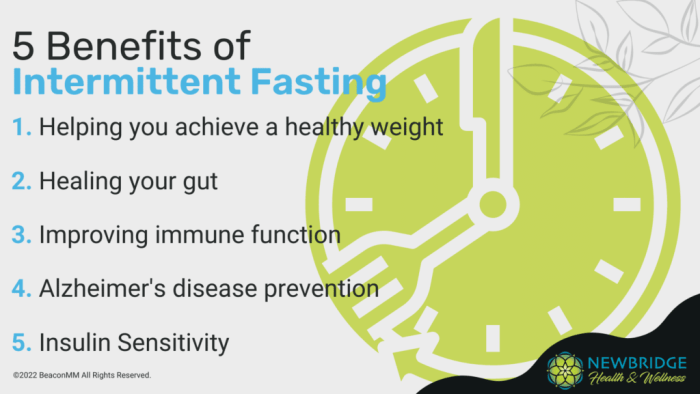
Intermittent fasting has gained popularity as an effective strategy for weight loss. By incorporating periods of fasting into your routine, you can potentially see significant improvements in your body composition.
How intermittent fasting aids in weight loss
- Intermittent fasting helps restrict calorie intake: By limiting the time window in which you can eat, intermittent fasting naturally leads to consuming fewer calories, which is essential for weight loss.
- Enhances metabolism: Fasting periods can boost metabolic rate and promote fat burning, contributing to weight loss over time.
- Regulates hormones: Intermittent fasting can positively impact hormones related to appetite control and fat storage, making it easier to manage weight.
Mechanisms through which intermittent fasting promotes weight loss
Fasting triggers cellular repair processes and changes gene expression to facilitate fat breakdown and metabolism.
Success stories and studies on weight loss with intermittent fasting
- A study published in the New England Journal of Medicine found that intermittent fasting can lead to weight loss and improve health markers.
- Many individuals have reported significant weight loss and body fat reduction by following intermittent fasting protocols.
Health benefits beyond weight loss
Intermittent fasting offers a wide range of health benefits beyond just weight loss. Let's explore some of these additional advantages.
Improved Metabolic Health
Intermittent fasting has been shown to improve metabolic health by regulating blood sugar levels, reducing insulin resistance, and lowering the risk of type 2 diabetes. By giving the digestive system a break, intermittent fasting allows the body to better process nutrients and regulate energy balance
Heart Health
Studies suggest that intermittent fasting can support heart health by lowering cholesterol levels, reducing blood pressure, and decreasing the risk of heart disease. Intermittent fasting may also help improve vascular function and reduce inflammation in the cardiovascular system.
Cognitive Function
Intermittent fasting has been linked to enhanced cognitive function and brain health. It may help protect against neurodegenerative diseases like Alzheimer's and Parkinson's by promoting the production of brain-derived neurotrophic factor (BDNF), a protein that supports nerve cell growth and function.
Reduced Inflammation and Oxidative Stress
Intermittent fasting can help reduce inflammation and oxidative stress in the body, which are key drivers of many chronic diseases. By promoting autophagy, a process that removes damaged cells and toxins, intermittent fasting supports overall cellular health and reduces the risk of inflammatory conditions.
Prevention of Chronic Diseases
Research indicates that intermittent fasting may help prevent a variety of chronic diseases, including cancer, Alzheimer's, and cardiovascular disorders. By promoting cellular repair mechanisms and reducing risk factors like inflammation and insulin resistance, intermittent fasting can have a protective effect against the development of these conditions.
Safety and considerations of intermittent fasting
Intermittent fasting can be a beneficial practice for many individuals, but it is important to consider safety and potential risks before incorporating it into your routine. Here are some key points to keep in mind:
Potential Risks and Side Effects
- One of the main risks of intermittent fasting is the potential for nutrient deficiencies if not done properly. It's essential to ensure you are still consuming a balanced diet during eating periods to meet your body's needs.
- Some individuals may experience negative side effects such as headaches, fatigue, irritability, or difficulty concentrating, especially when starting out with intermittent fasting. These symptoms usually improve as the body adjusts, but it's important to listen to your body and make adjustments as needed.
- People with certain medical conditions, such as diabetes, eating disorders, or other chronic health issues, should consult a healthcare professional before starting intermittent fasting to ensure it is safe for them.
Who Should Avoid Intermittent Fasting or Consult a Healthcare Professional
- Pregnant or breastfeeding women should avoid intermittent fasting, as it is essential to nourish both themselves and their growing baby adequately.
- Children and teenagers are still growing and developing, so intermittent fasting may not be suitable for them and could potentially interfere with their nutritional needs.
- Individuals with a history of eating disorders should be cautious with intermittent fasting, as it could potentially trigger unhealthy behaviors or thoughts around food.
Tips for Safely Incorporating Intermittent Fasting
- Start slowly and gradually increase the fasting window to allow your body to adapt. This can help minimize negative side effects and make the transition smoother.
- Stay hydrated during fasting periods and focus on consuming nutrient-dense foods during eating windows to support overall health and well-being.
- Listen to your body and be flexible with your approach to intermittent fasting. If you experience significant discomfort or adverse effects, it may be necessary to adjust your fasting schedule or seek guidance from a healthcare professional.
Tips for beginners
Intermittent fasting can be a challenging adjustment for those who are new to this eating pattern. Here are some practical tips to help beginners ease into intermittent fasting and make the transition smoother.
Start Slowly
If you are new to intermittent fasting, consider starting with a more lenient fasting schedule, such as the 12:12 method. This approach involves fasting for 12 hours and eating within a 12-hour window. Once you feel comfortable with this, you can gradually increase the fasting period.
Stay Hydrated
During fasting periods, it's essential to stay hydrated by drinking water, herbal tea, or black coffee. Hydration can help reduce hunger pangs and keep you feeling more satisfied.
Choose Nutrient-Dense Foods
When breaking your fast, focus on consuming nutrient-dense foods such as lean proteins, whole grains, fruits, and vegetables. These foods can help replenish your energy levels and support overall health.
Listen to Your Body
Pay attention to how your body responds to intermittent fasting. If you experience any negative symptoms such as dizziness, fatigue, or headaches, it may be a sign that you need to adjust your fasting schedule or consult a healthcare professional.
Plan Your Meals
Meal planning can be a helpful strategy for ensuring that you have nutritious options available during both fasting and eating windows. Consider preparing meals in advance to prevent impulsive food choices.
Be Patient and Consistent
Remember that intermittent fasting is a lifestyle change that requires patience and consistency. It may take time for your body to adjust to this new eating pattern, so be kind to yourself throughout the process.
Final Wrap-Up
In conclusion, intermittent fasting offers a holistic approach to improving overall health and well-being, backed by research and real-life success stories. By incorporating intermittent fasting into your routine mindfully and safely, you can unlock a multitude of benefits for your body and mind.
Helpful Answers
Is intermittent fasting suitable for everyone?
Intermittent fasting may not be suitable for pregnant or breastfeeding women, individuals with a history of eating disorders, or those with certain medical conditions. It's essential to consult a healthcare professional before starting.
Can intermittent fasting help with improving cognitive function?
Yes, intermittent fasting has been linked to enhanced cognitive function, improved focus, and mental clarity. This is often attributed to the metabolic benefits and reduced inflammation associated with fasting.
How should I break my fast during intermittent fasting?
It's recommended to break your fast with a balanced meal consisting of lean protein, healthy fats, and complex carbohydrates to replenish nutrients and sustain energy levels effectively.


![How to Cancel CarShield [Explained]](https://health.radartasik.id/wp-content/uploads/2025/11/Carshield-Vs-Endurance-120x86.png)