
Embarking on the journey of Digital health trends transforming Asia in 2025, we delve into the exciting advancements shaping the landscape of healthcare in the region. From innovative technologies to improved patient care, the future is bright with possibilities.
As we explore the key trends and their impact, a clearer picture emerges of how healthcare systems are evolving to meet the needs of patients in Asia.
Overview of Digital Health Trends in Asia by 2025
As we look ahead to 2025, digital health trends in Asia are set to revolutionize the healthcare landscape in the region. These trends are expected to have a profound impact on healthcare systems and patient care, ushering in a new era of innovation and efficiency.
Key Digital Health Trends
- The rise of telemedicine: Telemedicine is projected to become increasingly prevalent in Asia by 2025, allowing patients to access healthcare services remotely through digital platforms.
- AI and machine learning in healthcare: The integration of artificial intelligence and machine learning algorithms will enhance diagnostics, treatment planning, and personalized medicine, improving patient outcomes.
- Wearable technology for health monitoring: Wearable devices will continue to gain popularity, enabling individuals to track their health metrics and providing valuable data for healthcare providers.
Impact on Healthcare Systems and Patient Care
These digital health trends will streamline healthcare delivery, reducing wait times, improving access to care, and enhancing the overall patient experience. Healthcare systems will become more efficient and cost-effective, leading to better health outcomes for individuals across Asia.
Adoption Rates Across Asian Countries
The adoption rates of digital health technologies vary across different Asian countries, with some nations embracing innovation more rapidly than others. Countries like Japan and South Korea are at the forefront of digital health adoption, while others are gradually catching up to harness the benefits of these transformative technologies.
Telemedicine and Remote Patient Monitoring

Telemedicine and remote patient monitoring are revolutionizing healthcare access in Asia by breaking down traditional barriers to healthcare services. These digital health tools are enabling patients to receive medical consultation and monitoring remotely, especially in regions where access to healthcare facilities is limited.
Successful Telemedicine Initiatives in Asia
- In India, organizations like Practo and mfine have developed platforms that connect patients with doctors virtually, allowing for consultations and prescriptions without the need for in-person visits.
- In China, Ping An Good Doctor and WeDoctor have established telemedicine services that provide a wide range of healthcare services, from online consultations to prescription deliveries.
- In Japan, the government has been promoting telemedicine services, leading to the development of platforms like Jocall that facilitate remote consultations and prescriptions.
Challenges and Opportunities of Remote Patient Monitoring in Asian Healthcare Systems
Remote patient monitoring presents both challenges and opportunities for healthcare systems in Asia. While it allows for continuous tracking of patients' health conditions and early detection of potential issues, there are concerns about data privacy, connectivity issues in remote areas, and the need for regulatory frameworks to ensure the quality and safety of remote monitoring devices.
With advancements in technology and the growing acceptance of telemedicine, Asia is poised to see a significant transformation in the way healthcare services are delivered and accessed by patients.
Artificial Intelligence in Healthcare
Artificial intelligence (AI) is revolutionizing the healthcare industry in Asia by enhancing efficiency, accuracy, and personalized care for patients. AI-powered tools are playing a crucial role in transforming healthcare services and improving patient outcomes across the region.
Role of Artificial Intelligence in Healthcare
AI is being utilized in various aspects of healthcare in Asia, such as diagnostics, treatment recommendations, personalized medicine, drug discovery, and predictive analytics. By analyzing vast amounts of data quickly and accurately, AI can identify patterns, predict outcomes, and provide valuable insights to healthcare professionals.
- AI-powered diagnostics: AI algorithms can analyze medical images, such as X-rays and MRIs, to detect abnormalities and assist radiologists in making more accurate diagnoses.
- Treatment recommendations: AI systems can analyze patient data, medical records, and clinical guidelines to recommend personalized treatment plans based on individual characteristics and medical history.
- Ethical considerations: The integration of AI in healthcare raises ethical concerns regarding patient privacy, data security, bias in algorithms, and the potential impact on the doctor-patient relationship. It is essential to address these ethical considerations to ensure the responsible use of AI in healthcare practices.
Wearable Health Technologies
Wearable health devices have become increasingly popular in Asia as individuals are becoming more conscious about monitoring their health on a daily basis. These devices are designed to track various health metrics such as heart rate, physical activity, sleep patterns, and even blood oxygen levels, providing users with valuable insights into their overall well-being.
Empowering Individuals to Take Control
Wearable technologies are empowering individuals to take control of their health by enabling them to monitor their health metrics in real-time. This continuous monitoring allows users to make informed decisions about their lifestyle, diet, and exercise routines, leading to better health outcomes.
By having access to personalized data, individuals can proactively manage their health and prevent potential health issues before they escalate.
Future Advancements and Impact on Healthcare
In the future, wearable health technologies are expected to become even more sophisticated, with advancements in sensor technology, data analytics, and connectivity. These advancements will enable wearables to provide more accurate and detailed health information, allowing for early detection of health conditions and personalized treatment plans.
As a result, wearable devices are poised to play a significant role in transforming healthcare outcomes by promoting preventive care, reducing healthcare costs, and improving overall patient outcomes.
Ultimate Conclusion
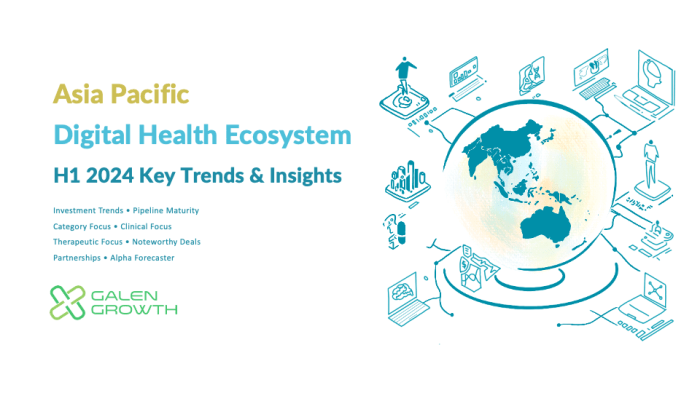
In conclusion, the digital health trends discussed paint a vibrant picture of the healthcare landscape in Asia by 2025. Embracing technology and innovation, the region is poised for a transformation that will enhance patient care and revolutionize healthcare delivery.
Essential FAQs
What are the key digital health trends expected to transform Asia by 2025?
The key trends include telemedicine, artificial intelligence, and wearable health technologies, among others.
How is telemedicine revolutionizing healthcare access in Asia?
Telemedicine is improving access to healthcare services by allowing patients to consult with healthcare providers remotely, especially in remote or underserved areas.
What is the role of artificial intelligence in improving healthcare services in Asia?
Artificial intelligence is being used to enhance diagnostics, treatment recommendations, and overall healthcare delivery in Asia.
Why are wearable health technologies popular in Asia?
Wearable health devices empower individuals to track and manage their health more effectively, leading to better health outcomes.


![How to Cancel CarShield [Explained]](https://health.radartasik.id/wp-content/uploads/2025/11/Carshield-Vs-Endurance-120x86.png)