
When it comes to monitoring our health, wearable devices have revolutionized the way we track important metrics. From heart rate to sleep patterns, these devices offer a convenient way to stay on top of our well-being. In this guide, we'll explore the best wearable devices that excel in tracking health metrics and how they can benefit your overall health journey.
Overview of Wearable Health Devices
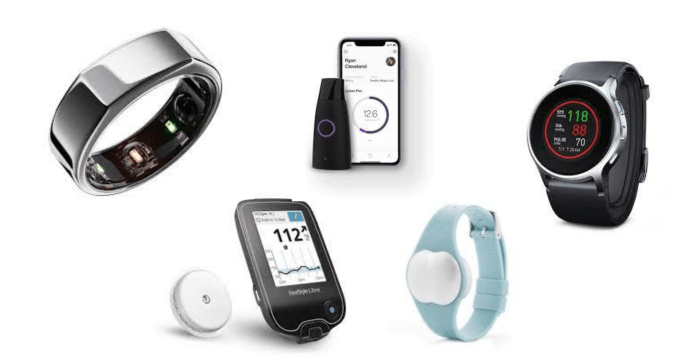
Wearable health devices play a crucial role in monitoring various health metrics in real-time, providing individuals with valuable insights into their overall well-being. These devices are designed to be worn on the body, making it convenient for users to track their health data seamlessly throughout the day.
Types of Health Metrics Tracked
- Heart Rate: Wearable devices can monitor heart rate continuously, alerting users to any irregularities or spikes.
- Physical Activity: These devices track steps taken, calories burned, and even provide insights into different types of physical activities.
- Sleep Patterns: By analyzing sleep duration and quality, wearable devices help users understand their sleep patterns for better rest.
- Stress Levels: Some devices measure stress levels through heart rate variability, helping users manage stress effectively.
- Blood Pressure: Advanced wearable devices can also monitor blood pressure levels, providing valuable data for individuals with hypertension.
Benefits of Using Wearable Devices
Wearable health devices offer numerous benefits for individuals looking to improve their overall health and well-being. These benefits include:
- Increased Awareness: By constantly tracking health metrics, users become more aware of their habits and can make informed decisions to lead a healthier lifestyle.
- Motivation: Seeing real-time data on physical activity and other health metrics can motivate individuals to stay active and make positive changes to their routines.
- Early Detection: Continuous monitoring of vital signs can help in the early detection of health issues, allowing for timely intervention and treatment.
- Personalized Insights: Wearable devices provide personalized insights based on individual data, helping users set achievable health goals and track their progress.
Popular Wearable Health Devices
Wearable health devices have become increasingly popular for tracking various health metrics and providing valuable insights to users. These devices come in different forms and offer a wide range of features to help individuals monitor and improve their health.
Fitbit Charge 4
The Fitbit Charge 4 is a popular wearable device that offers advanced health tracking capabilities. It can monitor heart rate, track sleep patterns, count steps, and estimate calories burned. The device also has built-in GPS for accurate tracking of outdoor activities like running and cycling.
Apple Watch Series 6
The Apple Watch Series 6 is another top choice for health tracking. It can measure blood oxygen levels, track ECG, monitor heart rate, and provide activity and workout insights. The watch also offers features like fall detection and emergency SOS, making it a comprehensive health companion.
Garmin Vivosmart 4
The Garmin Vivosmart 4 is a sleek and stylish wearable device that tracks heart rate, stress levels, energy levels, and sleep quality. It also offers features like Body Battery energy monitoring and relaxation breathing timer to help users manage stress and improve overall well-being.These wearable devices have helped individuals improve their health outcomes by providing real-time data on their health metrics.
Users can set goals, track progress, and make informed decisions about their lifestyle choices based on the insights provided by these devices. Whether it's monitoring activity levels, improving sleep patterns, or managing stress, wearable health devices have proven to be valuable tools for promoting better health and well-being.
Key Features to Consider
When choosing a wearable device for tracking health metrics, it is essential to consider key features that can significantly impact its effectiveness in monitoring your health. Accuracy, reliability, battery life, design, and comfort are crucial aspects to look out for in wearable health devices.
Accuracy and Reliability
One of the most critical features to consider in a wearable health device is its accuracy in tracking health metrics. Whether it's monitoring your heart rate, sleep patterns, or activity levels, the device must provide precise and reliable data to help you make informed decisions about your health.
Look for devices with advanced sensors and technology that ensure accurate measurements.
Battery Life
Another important factor to consider is the battery life of the wearable device. A long-lasting battery is essential to ensure uninterrupted tracking of your health metrics throughout the day. Devices with a short battery life may not be practical for continuous monitoring, so opt for models that offer extended battery performance.
Design and Comfort
The design and comfort of the wearable device also play a significant role in its effectiveness. A device that is comfortable to wear for extended periods ensures that you will consistently use it to track your health metrics. Additionally, consider the design features that suit your lifestyle, whether you prefer a sleek and discreet design or a more robust and sporty look.
Integrating Wearable Health Data
Integrating wearable health data with other health tracking systems or apps can provide individuals with a comprehensive view of their overall well-being. By combining data from various sources, users can gain valuable insights into their health status and make informed decisions.
Utilizing Wearable Health Data
- Syncing wearable health device data with fitness apps can help users track their daily activity levels, calories burned, and exercise routines more accurately.
- Integrating wearable health data with electronic health records can enable healthcare providers to have access to real-time information about a patient's health, allowing for more personalized and timely care.
- Connecting wearable health devices with nutrition apps can assist individuals in monitoring their dietary habits and making better food choices based on their activity levels and nutritional needs.
Challenges of Integrating Wearable Health Data
- Compatibility issues between different devices and platforms may hinder the seamless integration of wearable health data, leading to data discrepancies and incomplete health profiles.
- Privacy and security concerns surrounding the sharing of sensitive health information from wearables to other apps or systems can pose risks to user data confidentiality.
- Data overload from multiple sources can overwhelm users and healthcare providers, making it challenging to derive meaningful insights and actionable recommendations from the integrated health data.
Final Summary
In conclusion, wearable devices for tracking health metrics have become indispensable tools for individuals looking to take control of their health. By choosing the right device and utilizing its features effectively, you can make significant strides towards a healthier lifestyle.
Stay informed, stay active, and let technology empower your health goals.
Key Questions Answered
Is it safe to wear these devices all day?
Yes, most wearable devices are designed to be worn continuously throughout the day without any adverse effects on your health. It's important to ensure a comfortable fit to prevent any discomfort.
Do wearable devices accurately track all health metrics?
While wearable devices have advanced in their accuracy, some metrics like blood pressure may still require specialized equipment for precise readings. It's essential to use these devices as tools for general monitoring rather than definitive medical diagnosis.
How often should I charge my wearable health device?
The frequency of charging depends on the device and its battery life. Typically, most wearable devices need to be charged every few days to ensure uninterrupted tracking of health metrics.


![How to Cancel CarShield [Explained]](https://health.radartasik.id/wp-content/uploads/2025/11/Carshield-Vs-Endurance-120x86.png)