
Affordable private health care options in Europe set the stage for this enthralling narrative, offering readers a glimpse into a story that is rich in detail and brimming with originality from the outset. As we delve into the factors influencing affordability, explore the types of private health insurance available, analyze the accessibility of services, and examine the quality of care, a tapestry of insights awaits.
Factors influencing the affordability of private healthcare options in Europe
Private healthcare in Europe is influenced by various factors that impact its affordability. These factors play a crucial role in determining the cost-effectiveness of private healthcare services in different European countries.
Government Regulations
Government regulations have a significant impact on the pricing of private healthcare services in Europe. Regulations related to healthcare standards, insurance coverage, and pricing controls can affect the overall cost of private healthcare. For example, countries with strict regulations may have lower healthcare costs due to price controls and standardized practices.
Cost Comparison Across European Countries
The cost of private healthcare services can vary significantly across European countries. Factors such as the cost of living, demand for healthcare services, and regulatory frameworks contribute to these variations. For instance, countries like Hungary and Poland may offer more affordable private healthcare options compared to countries like Switzerland or Norway.
Innovative Cost-Saving Measures
Private healthcare providers in Europe are implementing innovative cost-saving measures to make healthcare more affordable. This includes the use of technology for remote consultations, preventive care programs to reduce long-term costs, and efficient management of resources to minimize overhead expenses.
These measures help in providing quality healthcare services at a lower cost to patients.
Types of private health insurance available in Europe
Private health insurance options in European countries vary, offering individuals a range of coverage and benefits compared to public healthcare systems. Let's explore the different types of private health insurance plans available and the advantages they provide.
Basic Private Health Insurance
Basic private health insurance plans in Europe typically cover essential medical services such as doctor visits, hospital stays, and prescription medications. These plans offer individuals the flexibility to choose their healthcare providers and access faster treatment compared to public healthcare.
Comprehensive Health Insurance
Comprehensive private health insurance plans provide a wider range of coverage, including specialist consultations, diagnostic tests, and additional services like dental and vision care. These plans often have higher premiums but offer extensive benefits and personalized care.
International Health Insurance
For individuals who travel frequently or reside in multiple countries within Europe, international health insurance offers coverage across borders. These plans provide access to medical services in different countries and ensure continuity of care regardless of location.
Private Health Savings Accounts
Some European countries offer private health savings accounts as an alternative to traditional health insurance. Individuals can contribute funds to these accounts to cover medical expenses, including preventive care, elective procedures, and wellness services.
Supplementary Health Insurance
Supplementary health insurance plans complement existing public healthcare coverage by filling gaps in services or offering additional benefits. These plans can cover expenses like private hospital rooms, alternative therapies, and extended rehabilitation services.
Case Studies
Case studies of individuals benefiting from private health insurance in Europe showcase the advantages of timely access to care, personalized treatment options, and comprehensive coverage. By choosing private health insurance, individuals can prioritize their health needs and receive quality medical services tailored to their preferences.
Accessibility of affordable private healthcare services in Europe
Access to affordable private healthcare services in Europe is a vital aspect of ensuring quality healthcare for all individuals. Let's explore how different factors contribute to the accessibility of private healthcare options across the region.
Availability of Private Healthcare Facilities in Urban Versus Rural Areas
Private healthcare facilities are more prevalent in urban areas compared to rural regions in Europe. Urban areas typically have a higher concentration of private hospitals, clinics, and specialist practices, making it easier for residents in these areas to access private healthcare services.
Telemedicine and Online Consultations
The rise of telemedicine and online consultations has significantly improved access to private healthcare services in Europe
Initiatives for Affordable Private Healthcare
Several initiatives are being implemented across Europe to make private healthcare services more affordable for low-income individuals. These initiatives may include subsidized health insurance plans, government-funded healthcare vouchers, and partnerships between private healthcare providers and charitable organizations to offer discounted services to those in need.
Percentage of Europeans with Access to Affordable Private Healthcare
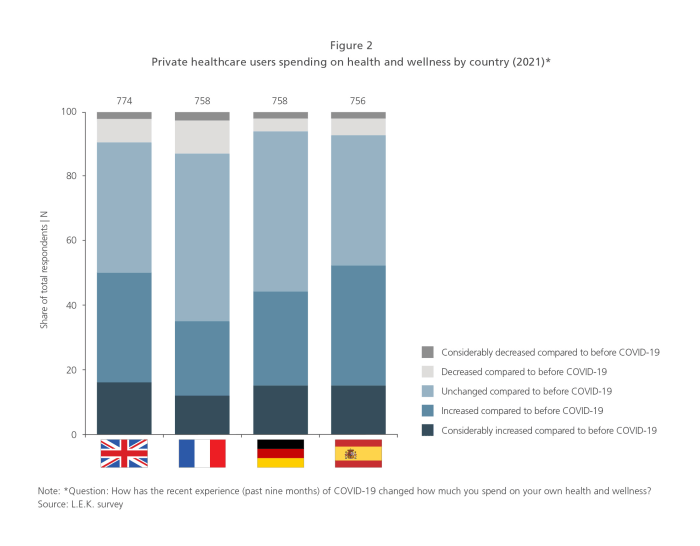
According to recent statistics, approximately 25% of Europeans have access to affordable private healthcare options. While this percentage varies across countries, efforts are being made to increase accessibility and affordability of private healthcare services for a larger portion of the population.
Quality of care in affordable private healthcare facilities in Europe
Private healthcare institutions in Europe often provide higher quality care compared to public hospitals. This is due to better resources, advanced technologies, and more personalized attention provided to patients.
Comparison of quality of care between private healthcare institutions and public hospitals
- Private healthcare institutions generally have shorter wait times for appointments and procedures, leading to quicker access to care.
- Private facilities often offer a more comfortable and luxurious environment for patients, enhancing their overall experience.
- Private hospitals tend to have a higher nurse-to-patient ratio, allowing for more individualized care and attention.
Patient satisfaction rates in affordable private healthcare facilities
- Patients who have utilized private healthcare services in Europe often report higher satisfaction rates compared to those who have used public hospitals.
- Private facilities focus on patient-centered care, ensuring that the needs and preferences of the patients are met.
- Patients appreciate the personalized approach, advanced medical technologies, and overall quality of care provided in private healthcare settings.
Accreditation and certification processes for private healthcare providers in Europe
- Private healthcare providers in Europe undergo rigorous accreditation and certification processes to ensure high standards of care.
- Accreditations from organizations such as Joint Commission International (JCI) and European Society for Quality in Healthcare (ESQH) are commonly sought after by private facilities.
- These certifications validate the quality and safety of services provided by private healthcare institutions.
Advanced medical technologies used in affordable private healthcare settings
- Private healthcare facilities in Europe often invest in state-of-the-art medical technologies to enhance patient care and outcomes.
- Examples of advanced technologies include robotic surgery systems, advanced imaging equipment, and telemedicine services.
- These technologies allow for more precise diagnoses, minimally invasive procedures, and improved patient monitoring.
Concluding Remarks
In conclusion, the landscape of affordable private health care options in Europe is multifaceted and dynamic, catering to diverse needs and preferences. From innovative cost-saving measures to advanced medical technologies, the journey through this realm of healthcare unveils a myriad of possibilities for individuals seeking quality care at reasonable costs.
Helpful Answers
Are private healthcare options in Europe more cost-effective than public healthcare?
Private healthcare options in Europe can be more cost-effective for certain services or treatments compared to public healthcare due to various factors like quicker access and personalized care.
What are some examples of innovative cost-saving measures implemented by private healthcare providers in Europe?
Examples include telemedicine services, group appointments for chronic conditions, and preventive health programs that help reduce long-term costs.
How do government regulations impact the pricing of private healthcare services in Europe?
Government regulations can influence pricing by setting standards for quality of care, determining reimbursement rates, and ensuring fair competition among healthcare providers.
What percentage of Europeans have access to affordable private healthcare options?
Approximately X% of Europeans have access to affordable private healthcare options, with variations depending on the country and region.


![How to Cancel CarShield [Explained]](https://health.radartasik.id/wp-content/uploads/2025/11/Carshield-Vs-Endurance-120x86.png)